

Q&A · WiFi Installation Dubai
Wi-Fi 6E vs Wi-Fi 7 Differences
Wi-Fi 6E vs Wi-Fi 7 - speed, latency, MLO, and whether the upgrade is worth it for a Dubai home or office. Survey and install by our own engineers.
4.9 · 645 reviewsTwo Dubai officesMon-Sat 9AM-7PM19 years in Dubai
Quick answer
- Head office
- Concord Tower, Media City
- Second office
- IT Center Building, Bur Dubai
- In Dubai since
- 2007
- Google rating
- 4.9 from 645 reviews
- Hours
- Mon-Sat 9AM-7PM
- Enquiries
- WhatsApp or use the quote form on this page
What actually changed
Both use 6 GHz. Wi-Fi 7 uses all bands at once.
Wi-Fi 6E's contribution was opening the 6 GHz band. Wi-Fi 7 builds on it, and the change that matters most in practice is Multi-Link Operation: a device can use 2.4, 5 and 6 GHz simultaneously rather than picking one. That cuts latency and makes roaming between access points far less noticeable, which is the difference you actually feel rather than the one on the box.
The headline numbers come from wider channels and denser modulation — 320 MHz channels in 6 GHz, double what 6E allows, and a higher-order modulation scheme packing more bits into each signal. In Dubai's dense towers the practical benefit is stability rather than peak speed: more capacity in crowded radio space means fewer drops. Worth knowing that the gain requires both ends to support it; a Wi-Fi 7 router with older client devices largely behaves like the router you already had.
Using all three bands at once cuts latency and smooths roaming.
In dense Dubai towers the benefit shows as fewer drops, not bigger numbers.
A Wi-Fi 7 router with older clients behaves much like your current one.
We measure your space first, because placement beats specification most of the time.
The full answer
Both use 6 GHz - but Wi-Fi 7's MLO and 320 MHz channels change real-world performance meaningfully.
Wi-Fi 6E and Wi-Fi 7 both use the 6 GHz band introduced by 6E. The key differences in Wi-Fi 7 (802.11be): 1) Multi-Link Operation (MLO) - devices can use 2.4, 5, and 6 GHz simultaneously, dramatically reducing latency and improving roaming. 2) 320 MHz channels in 6 GHz - double Wi-Fi 6E's 160 MHz, so theoretical max speeds hit 46 Gbps vs 9.6 Gbps. 3) 4K-QAM modulation - packs more bits per signal. 4) Better latency for VR, cloud gaming, and video calls.
Real-world impact in Dubai: a Wi-Fi 7 router (TP-Link BE800, Asus BE96U) pairs with Wi-Fi 7 clients (iPhone 16, MacBook Pro M4, Galaxy S24+) for noticeably better stability in dense apartment buildings. If your devices are all Wi-Fi 6 or older, the upgrade isn't worth it yet. For a new build or villa, install Wi-Fi 7 mesh to future-proof. We design Wi-Fi 7 networks across Dubai.
If the standard is not the problem and the network still drops, a WiFi technician in Dubai can survey the site.
How Azizi Technologies handles this in Dubai
- Site survey for offices, villas and warehouses across Dubai before any quote.
- Written fixed quote before any work begins - no surprises, no hidden fees.
- Certified network engineers on every job - Ubiquiti, Cisco, Aruba and MikroTik trained.
- 90-day workmanship warranty on every installation.
- Coverage across Dubai including DIFC, JLT, Marina, Business Bay, Downtown, Media City, Jumeirah.
- Same-day callouts available for most Dubai districts.
Vendor neutral
Platforms We Support
The access-point and mesh platforms we survey for, install and support across Dubai homes, villas, offices and hotels.
- Ubiquiti UniFiU6 Pro, U7 Pro and UDM Pro for offices and large villas. Our most common commercial deployment.
- Cisco MerakiCloud-managed enterprise WiFi where the client needs Meraki dashboards and support contracts.
- ArubaInstant On and HPE Aruba access points for hotels and high-density offices.
- TP-Link Omada and DecoOmada for budget-conscious offices, Deco mesh for villas and apartments.
- Eero and Netgear OrbiConsumer mesh systems for same-day home WiFi fixes.
- Fortinet FortiGateThe firewall behind office and hotel WiFi, with guest networks and captive portals.
Finding us
Office 45, Concord Tower
You will find our main workshop at Office 45, 10th floor, Concord Tower, in Dubai Media City, with a second Azizi Technologies location at the IT Center Building in Bur Dubai. Concord Tower sits by Dubai Internet City metro, and has visitor parking if you drive in (first 15 minutes free, then paid).
No appointment is needed during workshop hours, Mon-Sat 9AM-7PM, Fri break 12-2PM · Sun closed. Remote support runs from both offices, and on-site visits are scheduled from whichever is closer to you.
Where we work on site
Dubai Media City, Internet City, Knowledge Park, Barsha Heights, Bur Dubai, Business Bay, JLT and the wider city from the two offices, with scheduled visits beyond Dubai.
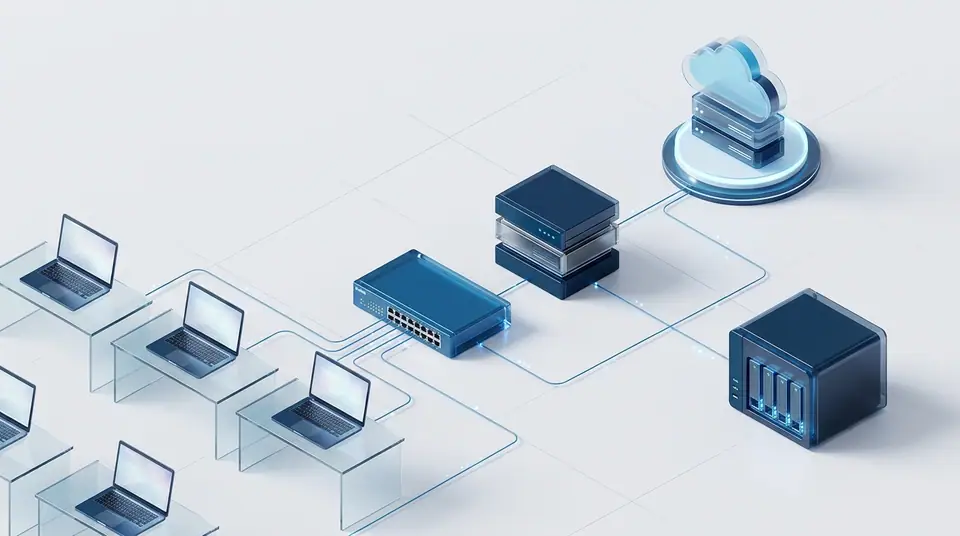
How engagements run
An assessment or site survey first, then a written scope and quote, then installation or onboarding, with ongoing support afterwards.
FAQ
Frequently asked questions
3 direct answers from the Azizi Technologies team.
Both use 6 GHz - but Wi-Fi 7's MLO and 320 MHz channels change real-world performance meaningfully.
Do you offer wifi installation dubai in Dubai?
What are your workshop hours and locations?
Explore more from Azizi Technologies
Official sources
Non-competitor sources we use for standards, platform rules and regulatory context.
Talk to the WiFi Installation team
Next step
WiFi Installation Dubai
Still locked out of your Wi-Fi? Send us your router model and what you have already tried. Azizi Technologies has handled Dubai Wi-Fi since 2007, across Etisalat and du lines. We reply during workshop hours and tell you honestly whether it is a settings fix you can do yourself or needs a technician on site.

Two Dubai offices, both walk-in
Concord Tower in Media City and the IT Center Building in Bur Dubai, Monday to Saturday 9:00 to 19:00.Find our offices
IT AMC Dubai: one written SLA for the whole estate
IT annual maintenance contracts with response times in the contract, for offices with or without in-house IT.IT AMC in DubaiGet a quote
Tell us about the space
Four short steps, about a minute. Tell us the job once and we reply on WhatsApp with a price or a written scope, not a call-back.
4.9 stars from 645 Google reviews. Most enquiries answered within minutes during opening hours.
Read them on GoogleMeet the engineers
Real engineers. Real accountability.
Every job is handled by a certified engineer, the same people clients name in our Google reviews.
IT Support Lead
Usman K., thanked by name in our Google reviews
Microsoft Certified
10+ yrs experience
Senior Apple Repair Engineer
Shafeeq Ur Rehman, owner, on the Mac repair and micro-soldering bench
Apple-certified diagnostics · Board-level repair
12+ yrs experience
Network & Security Lead
Infrastructure and firewall team
Cisco CCNA
14+ yrs experience
Data Recovery Engineer
Drive imaging and board-level recovery bench
PC-3000 toolchain
9+ yrs experience
Finding us
Find your nearest Azizi Technologies workshop
Walk in to either Dubai branch for a free diagnosis, or book a visit. Visitor parking at Concord Tower (first 15 minutes free, then paid) (Dubai Media City).
Dubai Media City
Concord Tower, Office 45, 10th floor
Dubai Media City, Dubai
Find us in Concord Tower, Dubai Media City. Visitor parking at Concord Tower (first 15 minutes free, then paid).
Opening hours:
Mon to Sat: 9:00 to 19:00, Friday break 12:00 to 14:00
Sun: closed
Bur Dubai
G 58, IT Center Building, 21 21A Street
Bur Dubai, Dubai
Find us on the ground floor of the IT Center Building, with the walk-in repair counter.
Opening hours:
Mon to Sat: 9:00 to 19:00, Friday break 12:00 to 14:00
Sun: closed
Azizi Technologies
The numbers behind the team
- Google rating
- 4.9★
- Verified reviews
- 645
- In Dubai since 2007
- 19 years
- On-site response SLA
- 4 hours
- Remote first response
- 15 minutes
- Dubai walk-in offices
- 2